

Are you in the market for a secondhand car? Exciting times ahead! But hold on, before you dive headfirst into that shiny deal, there are some common mistakes you should be aware of. Avoiding these pitfalls can save you from potential headaches down the road and ensure a smooth ride with your new vehicle. So, buckle up as we look closer at what to watch out for when buying a used car. Let’s hit the road together.
Skipping the Vehicle History Check
 When buying a secondhand car, skipping the vehicle history check can be a costly mistake. The vehicle’s history holds valuable information about past accidents, damages, and maintenance records that can impact its future performance. You might be unaware of potential red flags that could affect the car’s reliability and safety by neglecting to review this crucial aspect. A comprehensive vehicle history check can unveil hidden issues such as odometer rollback, flood damage, or salvage title status. This insight empowers you to make an informed decision and avoid purchasing a lemon in disguise.
Neglecting a Pre-Purchase Inspection
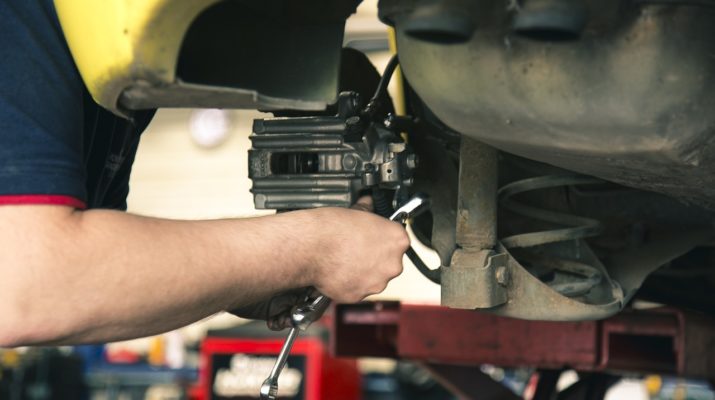
When buying a secondhand car, paying attention to a pre-purchase inspection can be a costly mistake. Sure, the exterior might look shiny and pristine, but what about what’s under the hood? A thorough inspection by a professional can uncover hidden issues that could save you from future headaches. Think of it as getting a health check-up for your new ride. A pre-purchase inspection covers all the bases, from engine performance to brake condition. Don’t just rely on the seller’s word or appearance alone; investing in an inspection is investing in peace of mind. By skipping this crucial step, you risk inheriting problems that may turn your dream car into a nightmare on wheels.
Focusing Solely on Price
When buying a secondhand car, getting fixated on finding the best deal is easy. While price is undoubtedly an essential factor to consider, focusing solely on it can lead to overlooking other crucial aspects of the purchase. A remarkably low price tag may seem like a steal at first glance, but it could also be a red flag for hidden issues or potential maintenance costs down the line. It’s essential to balance affordability and quality when shopping for a used vehicle. Remember that a higher upfront cost might save you money in the long run by avoiding frequent repairs or unexpected breakdowns. Conducting thorough research on pricing trends and comparing options will help you make an informed decision based on value and budget constraints.
Ignoring Signs of Wear and Tear
 When buying a secondhand car, it’s crucial not to overlook signs of wear and tear. These can indicate potential issues that may cost you more down the line. Remember any unusual noises, vibrations, or leaks during your test drive. Don’t dismiss minor scratches or dents, as they could be hiding underlying damage. Inspect the interior for worn-out upholstery, faulty electronics, or musty odors that might suggest neglect or water damage. Check the tires for uneven tread wear, which could mean suspension problems. Rust spots on the bodywork should also raise red flags about possible corrosion issues.
To ensure a smooth and successful secondhand car purchase, take the time to research the vehicle’s history, have it inspected by a professional mechanic, consider all aspects beyond just the price tag, and carefully examine for any red flags indicating excessive wear or damage. By being diligent and thorough in your evaluation process, you can increase your chances of finding a quality used car that meets your needs and budget. Remember – buying a secondhand car doesn’t have to be risky if you approach it with caution and attention to detail.…
 The first and most important thing that you need to check when maintaining your car is, of course, the engine of the car. The engine is the heart of the car. It is what makes the car run, and it is what makes it keep going. When you are maintaining the engine, there are a few things that you need to check. You need to check your
  Nowadays the car and electricity are very much intertwined. Most of the features of the car are powered by electricity. When maintaining your car, you need to remember to check on the electrical. When you are working on your car that involves the electrical system, disconnect the