

Driving safely requires attention, skill, and awareness of surrounding conditions. The weather can significantly affect road safety. Rain, snow, fog, or heat can create unique challenges. Drivers must adapt to maintain control and avoid accidents. Being prepared helps reduce risks and ensures safer travel. Understanding weather-specific hazards allows drivers to respond proactively. Safety is not just about following rules but anticipating and managing potential dangers. Simple adjustments and planning make a significant difference in maintaining control on the road.
Driving in Rain
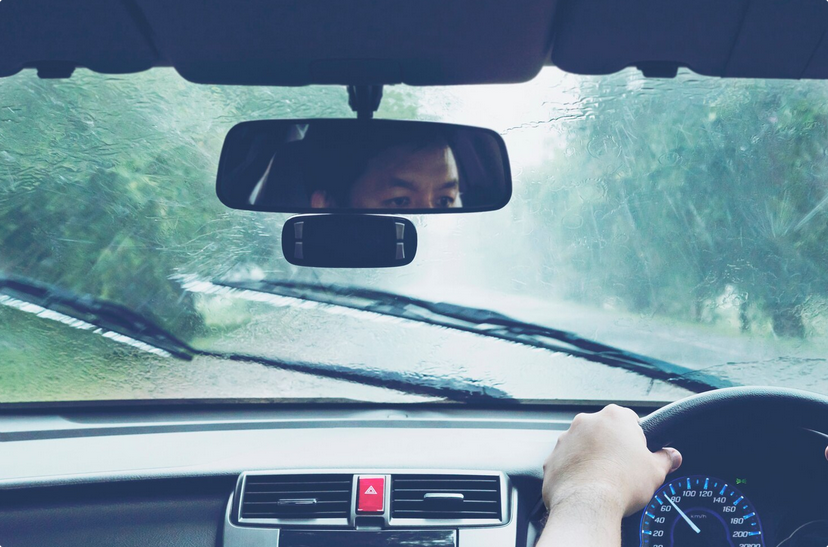
Rain reduces visibility and road traction. Wet roads increase stopping distances and the risk of skidding. Drivers should slow down and maintain extra space from vehicles ahead. Using headlights improves visibility for both yourself and others. Avoid sudden braking or sharp turns, as water can cause tires to lose grip. Wiping windows and mirrors regularly prevents vision obstruction. Tires with good tread depth are essential. Staying alert and patient ensures safer driving during rainfall. Rain requires heightened attention and smooth control.
Navigating Foggy Conditions
Fog creates low visibility and distorted distance perception. Headlights should be set to low beam to reduce glare. Fog lights, if available, improve visibility in dense fog. Slow, steady driving and extra following distance are critical. Avoid overtaking unless necessary. Listening for traffic and signals helps compensate for limited sight. Using windshield wipers and defoggers keeps the glass clear. Drivers must be cautious at intersections and curves. Patience and controlled speed ensure safer navigation through fog.
Considering Hot Weather
High temperatures affect vehicle performance and driver comfort. Overheated engines and tire blowouts are common risks. Ensuring proper tire pressure and coolant levels prevents mechanical issues. Sun glare can reduce visibility; using sunglasses or visors helps. Hydration and air conditioning maintain driver alertness. Road surfaces may soften in extreme heat, affecting traction. Planning routes to avoid peak heat periods can reduce stress. Monitoring vehicle performance ensures safety in hot weather. Awareness of environmental effects helps maintain control.
Driving on Snow and Ice
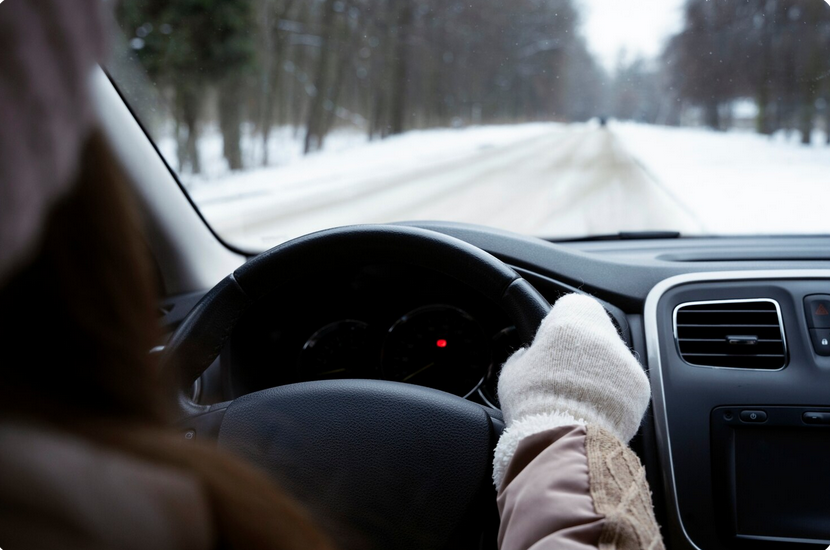
Snow and ice create slippery surfaces and unstable traction. Reducing speed and accelerating gently prevents loss of control. Braking should be gradual to avoid skidding. Maintaining a longer following distance is essential. Winter tires or chains improve grip in icy conditions. Steering should be smooth and deliberate. Black ice is difficult to detect; drivers should anticipate it in shaded areas. Snow removal and proper windshield maintenance ensure visibility. Careful preparation makes winter driving safer and more predictable.
Handling Strong Winds
Strong winds can push vehicles off course, especially high-profile vehicles. Steering should be firm, with continuous adjustments to stay in the lane. Reducing speed increases stability and reaction time. Extra caution near bridges, open fields, and elevated roads is necessary. Keeping both hands on the wheel helps counter sudden gusts. Avoid overtaking large trucks, as turbulence may affect stability. Awareness of wind forecasts and conditions helps drivers plan safer travel. Preparation and vigilance are key in windy conditions.
Driving During Heavy Rain or Flooding
Heavy rain and flooding present extreme risks. Avoid driving through deep water, as it can stall engines or sweep vehicles away. Slow, cautious driving prevents hydroplaning. Following established routes and observing water levels is essential. Turn around if conditions appear unsafe. Emergency kits and knowledge of safe exits improve preparedness. Brake gently after passing through shallow water to restore friction. Staying informed about weather alerts ensures safer travel. Prudence is crucial when encountering severe rainfall or flooding.
Driving During Nighttime and Reduced Visibility

Driving at night or in low-light conditions requires extra attention. Headlights and taillights must function correctly. Reducing speed allows more reaction time to obstacles or unexpected hazards. Reflective road markings and signs guide navigation. Avoid looking directly at oncoming headlights to prevent temporary blindness. Staying alert and rested helps maintain focus. Clean windows and mirrors enhance visibility. Proper illumination and careful observation ensure safer nighttime driving. Darkness requires patience and heightened awareness.
Preparing Your Vehicle for All Conditions
Vehicle readiness is essential for safe driving. Regular maintenance, including brakes, tires, lights, and fluids, supports reliable performance. Emergency kits with tools, first-aid supplies, and reflective items provide preparedness. Monitoring weather forecasts allows proactive adjustments to travel plans. Understanding vehicle capabilities in different conditions ensures better control. Awareness and preparation reduce risks across varying weather scenarios. Proper vehicle care is a foundation for safety. Routine checks and attention to detail create confidence on the road.
Driving safely in different weather conditions requires knowledge, preparation, and vigilance. Rain, fog, snow, heat, wind, and low-light situations each bring unique challenges. Adjusting speed, maintaining visibility, and ensuring vehicle readiness improve safety. Awareness, patience, and careful planning help prevent accidents. Incorporating these tips into daily driving habits enhances confidence and control. Understanding how the weather affects roads and vehicles allows drivers to respond effectively. Responsible driving ensures both personal safety and the safety of others on the road.…
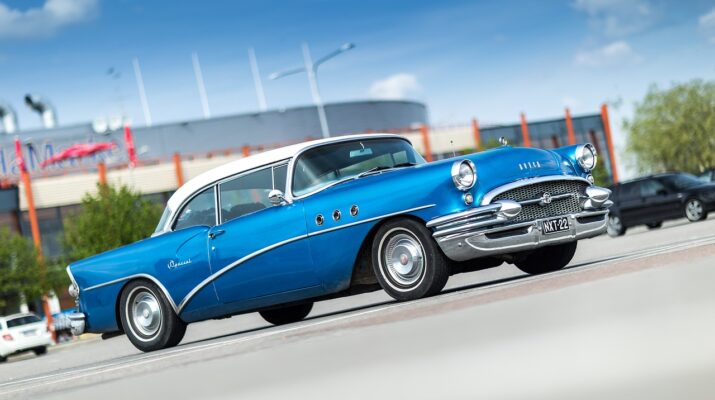
 Slipping gears can be a frustrating experience. One moment, your car is cruising smoothly, and the next, it feels like it’s suddenly losing power. This sensation often indicates a problem with the transmission. When you notice your engine revving higher without an increase in speed, that’s a definite red flag. It could mean that the transmission fluid is low or contaminated. Sometimes, worn-out components are to blame. Pay attention if your vehicle unexpectedly shifts out of gear while driving.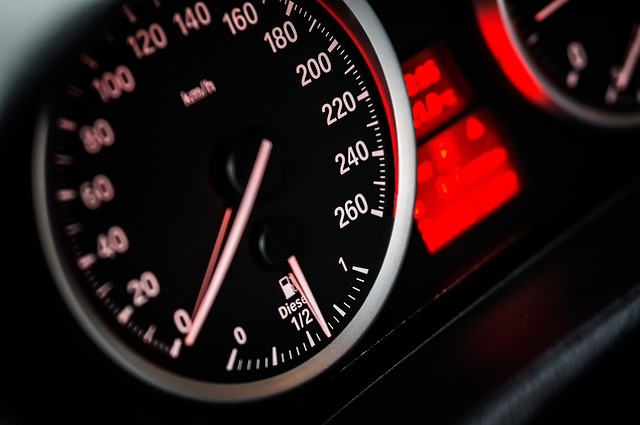

 When buying a secondhand
  When buying a secondhand car, it’s crucial not to overlook signs of wear and tear. These can indicate potential issues that may cost you more down the line. Remember any unusual noises, vibrations, or leaks during your test drive. Don’t dismiss minor scratches or dents, as they could be hiding underlying damage. Inspect the interior for worn-out upholstery, faulty electronics, or musty odors that might suggest neglect or water damage. Check the tires for uneven tread wear, which could mean suspension problems. Rust spots on the bodywork should also raise red flags about possible corrosion issues.

 When buying a car, most people will need to take out financing. Before doing so, it’s important to research all your options and compare interest rates. Don’t just accept the first offer; shop around for different lenders to ensure you get the best rate.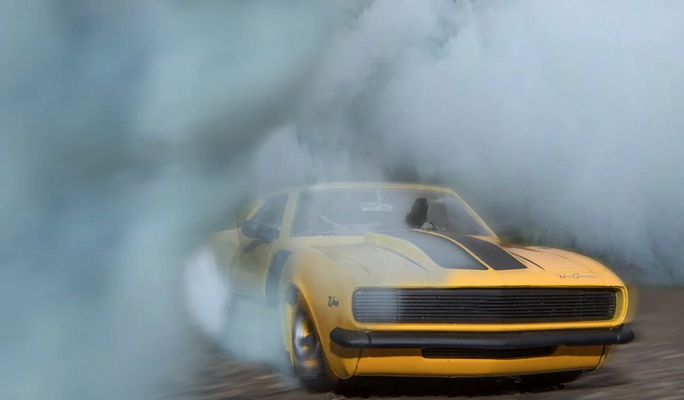
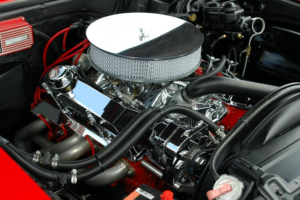 The most common cause of car overheating is a radiator issue. Suppose your car’s radiator is not functioning properly. In that case, it will not be able to dissipate the heat generated by the engine. A few things can cause your radiator to malfunction, including a leak in the radiator, a clogged radiator, or a faulty thermostat.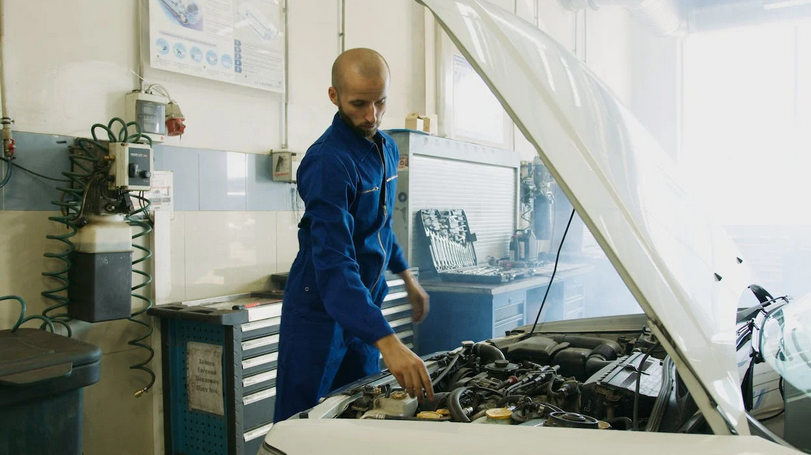
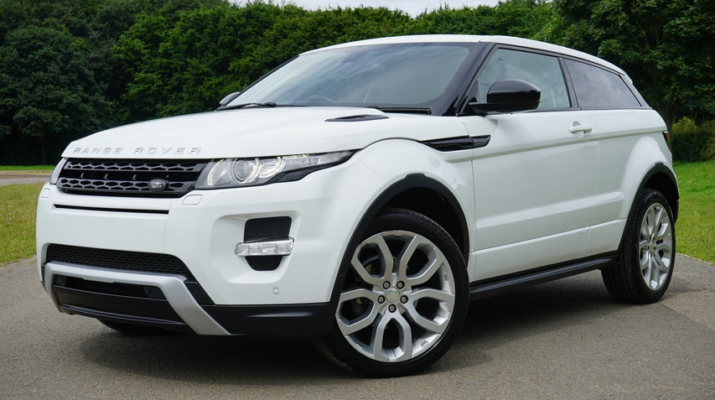

 Car rentals are a great way to save money on transportation when traveling. Suppose you have ever been to a major airport. In that case, there are usually several car rental agencies lined up with cars that range from cheap economy models up to luxury vehicles for those wanting premium comfort or features. It is cheaper to rent a car than take public transportation in some cases due to traffic and tolls associated with buses, subways, and trains that may tack on extra fees or time to your final destination. When first looking into car rentals, there are several factors you should consider when comparing prices for services at different companies: insurance costs, gas expenses (including fuel type), mileage allowances, required deposits/fees, location of pick up area (if not through the airport) and other special considerations.
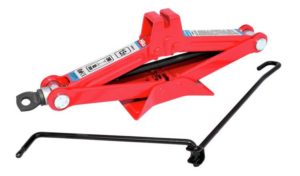 When you are buying the right scissor jack, there are various aspects you need to consider. You should take your time and consider the exact weight you will be lifting. However, you need to understand that an overloaded jack is dangerous. That is why you need to know how heavy your vehicle is.
 The lifting height is also another significant element you need to consider when choosing the best scissor jack. It is advisable to buy a jack with a minimum height that is a little bit lower so that it will fit comfortably under your car. Ideally, you need to choose the right scissor jack that can lift your vehicle high enough so that you can fix it safely.
 recommendations. Ask for recommendations from friends and relatives who have hired a moving company before. You can also ask for recommendations from a neighbor who just moved into your neighborhood recently. If the individuals liked the services of the moving company, then you can also consider hiring the experts.
 If you want to settle on the best moving company, you can also check the reviews the company has received from past and present clients. You can get to read the reviews on the internet and understand the kind of services the company offers. Reviews are the feedback which the company will get from clients who were either happy with their services or those who were not satisfied. A company with many positive reviews will mean, it satisfies the customers’ needs and should be the one to hire.
 Everyone desire to get services that will take long to serve them before they can again seek the same services. It is frustrating to receive a service today thinking it will last only to seek the same services after a short time. Therefore, as you search for good windscreen repair services, it is important to hire professionals who will offer quality services. The services you receive should be long-lasting. Once your windscreen is repaired, you will have general peace on your car safety. You can seek to look at a car that is being repaired at the time you visit the windscreen repair company.
 Some windscreen repairs may be a bit completed and will need proper repairs. This, therefore, means when you are looking for profession windscreen repair, then you will need to pick on the best. That is why it is necessary that you choose a more experienced windscreen repair company. The company will have more experienced experts who will be in a position to handle any windscreen needs you may have. Experience gained from prior cases of windscreen repairs will assist the experts in ensuring yours is also well fixed.
 Modern car engines have also been upgraded. Depending on the type of car you want to buy, you will get cars that are very economical regarding fuel consumption. However, if the price of gas is not your primary concern, then you can get a vehicle that is all about horsepower and racing speed. And for your off-road trucks, you can now find capable but economical cars from a brand that has stood the test of time.
 Safety has also been guaranteed in modern cars and trucks. Big brands have invested a lot of money, testing and improving the safety of the vehicles they manufacture. Buying a car from a company that values your safety is very important. You should also remember to read about the safety features that come with the car you want to buy. But as the saying goes, safety starts with you. Therefore, you should always be careful on the road and put on your safety belt.